
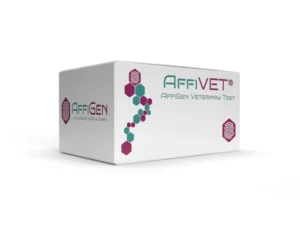
The Canine Parvovirus (CPV) Antigen Rapid Test Kit is a powerful diagnostic tool used to detect the presence of CPV antigens in canine fecal samples. This kit is widely utilized in veterinary clinics and diagnostic laboratories due to its reliability, speed, and ease of use, providing critical insights for timely management of parvovirus infections.
Understanding Canine Parvovirus (CPV)
Canine Parvovirus is a highly contagious viral disease that affects dogs, particularly puppies. The virus targets rapidly dividing cells, especially in the gastrointestinal tract, causing severe gastroenteritis. Learn more about the pathology of CPV at the National Institute of Allergy and Infectious Diseases (NIAID).
The virus is known for its resilience, surviving for months in the environment. It poses significant challenges for pet owners and veterinarians alike, requiring effective diagnostic measures for early intervention. Information on CPV epidemiology is available at the Centers for Disease Control and Prevention (CDC).

Features of the CPV Antigen Rapid Test Kit
- High Sensitivity and Specificity: The kit ensures reliable detection of CPV antigens, minimizing false positives or negatives. Discover more about rapid antigen tests at the U.S. Food and Drug Administration (FDA).
- Ease of Use: Requiring minimal sample preparation, the kit delivers results within 10 minutes, aiding rapid clinical decision-making. Learn about diagnostic workflows from the United States Department of Agriculture (USDA).
- Portable and Cost-Effective: The compact design allows field applications, making it suitable for shelters and mobile clinics. Explore veterinary diagnostic innovations at NIH’s Animal Health Program.
Applications of the CPV Antigen Rapid Test Kit
1. Early Disease Detection
The kit aids in identifying CPV in its early stages, preventing the spread of infection among unvaccinated dogs. Learn about parvovirus prevention and control at AVMA’s Guidelines.
2. Shelter and Rescue Operations
Rapid screening of incoming animals ensures early isolation and treatment of infected dogs, reducing outbreaks in high-density settings. The importance of such practices is highlighted by the Animal and Plant Health Inspection Service (APHIS).
3. Research Applications
This test supports epidemiological studies on CPV prevalence and vaccine efficacy, contributing to better disease management strategies. Explore CPV research funded by the National Institutes of Health (NIH).
How the Test Works
The CPV Antigen Rapid Test Kit utilizes immunochromatographic technology to detect CPV antigens:
- Sample Collection: A small amount of fecal material is diluted in a buffer solution. Guidance on sample handling is available at USDA’s Animal Health.
- Antigen Detection: The sample flows through a membrane pre-coated with CPV antibodies. Learn about antigen-antibody interactions at NCBI’s PubMed.
- Result Interpretation: Results appear as visible lines within minutes, indicating the presence or absence of CPV antigens. For troubleshooting rapid tests, visit CDC Laboratory Training.
Advantages of Rapid Diagnostic Testing
- Quick Results: Immediate diagnosis enables prompt treatment and quarantine measures. Explore rapid testing protocols at FDA’s Veterinary Diagnostics.
- Reduced Mortality: Early detection significantly improves survival rates in affected dogs. Learn about parvovirus survival rates at American Veterinary Medical Association (AVMA).
- Field Utility: Portable and user-friendly, the kit is ideal for non-laboratory settings. Insights into field testing can be found at CDC Veterinary Diagnostics.

Importance of Early Diagnosis
Delays in diagnosing CPV can result in severe dehydration, secondary infections, and death, particularly in puppies. Effective tools like the CPV Antigen Rapid Test Kit are critical for minimizing these risks. Read more about the impact of CPV on canine health at NIH’s Veterinary Research.
Conclusion
The Canine Parvovirus CPV Antigen Rapid Test Kit is a vital resource for veterinarians and researchers, ensuring accurate and timely diagnosis of this life-threatening disease. By leveraging its sensitivity, specificity, and ease of use, the kit contributes to better health outcomes for dogs globally.
For further information on CPV diagnostics and treatment, consult resources from the CDC, FDA, and USDA.